
Welcome to the pregnancy series!
My name is Skyler and I’m a sort of, all the way, maybe, in denial recently retired athlete and am pregnant! This series of blogs will talk about my experiences as an athlete and as a pregnant person. These blogs are strictly personal, and do not contain any type of medical advice. Thank you for coming along for the ride!
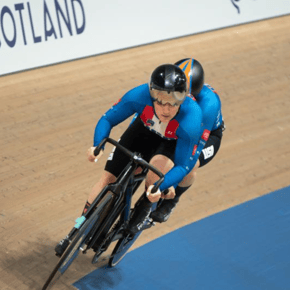
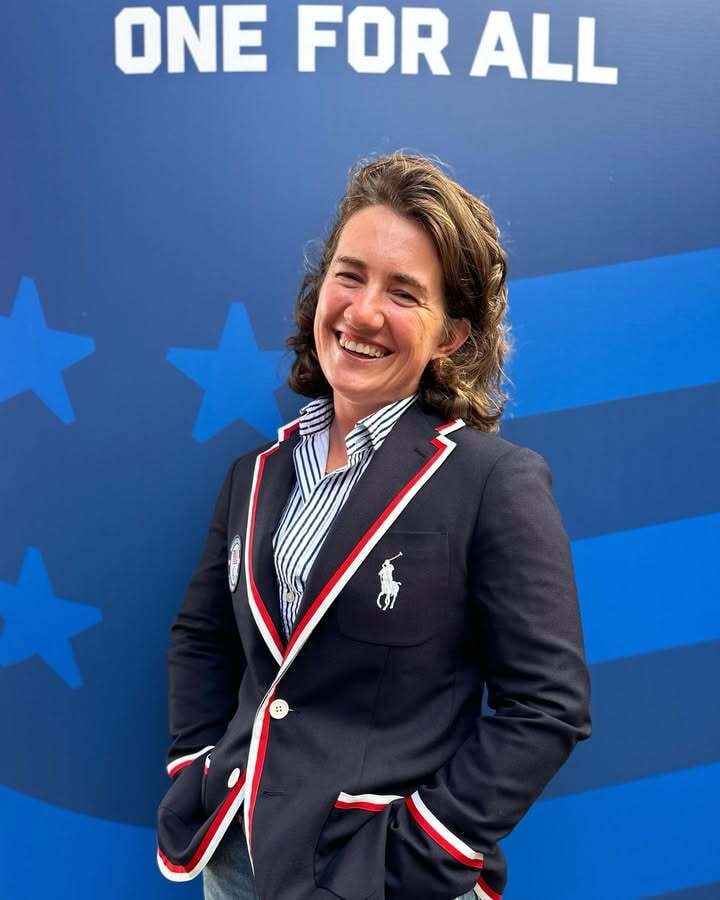 Source: Skyler Espinoza
One of the many difficult things about being a female athlete is the busiest, and most lucrative, years of your career are also the years during which, if you want your own biological children, you are supposed to be making them. Most of my friends and I have been lucky enough to choose when we want to try to have a child, but carving out a viable window in an athletic career is really quite difficult. Carving one out in the “ideal” fertility window? Nigh impossible.
Perhaps fortunately then, I had such a hard last couple of years as an athlete that the desire to take a break from high level sport and the desire to have a child coincided nicely. But even the ideal window takes some planning. My husband and I had a busy 2024: I was going to take part in the Paris Games, then we were going to move overseas, then we were going to try for a pregnancy. Because of the logistics of international health care, I decided to get my IUD removed a few months before our move, right before the biggest sporting event of my life, and many months before we would actually start trying for a pregnancy.
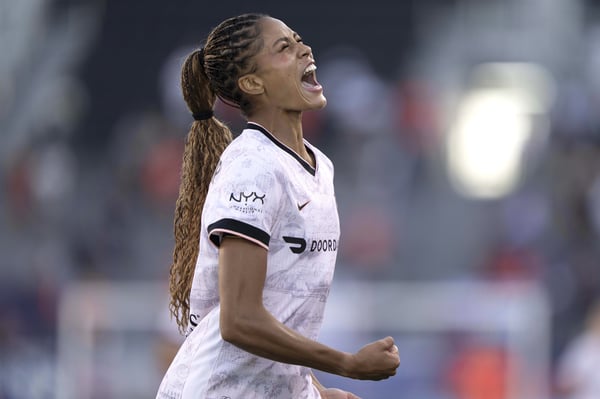
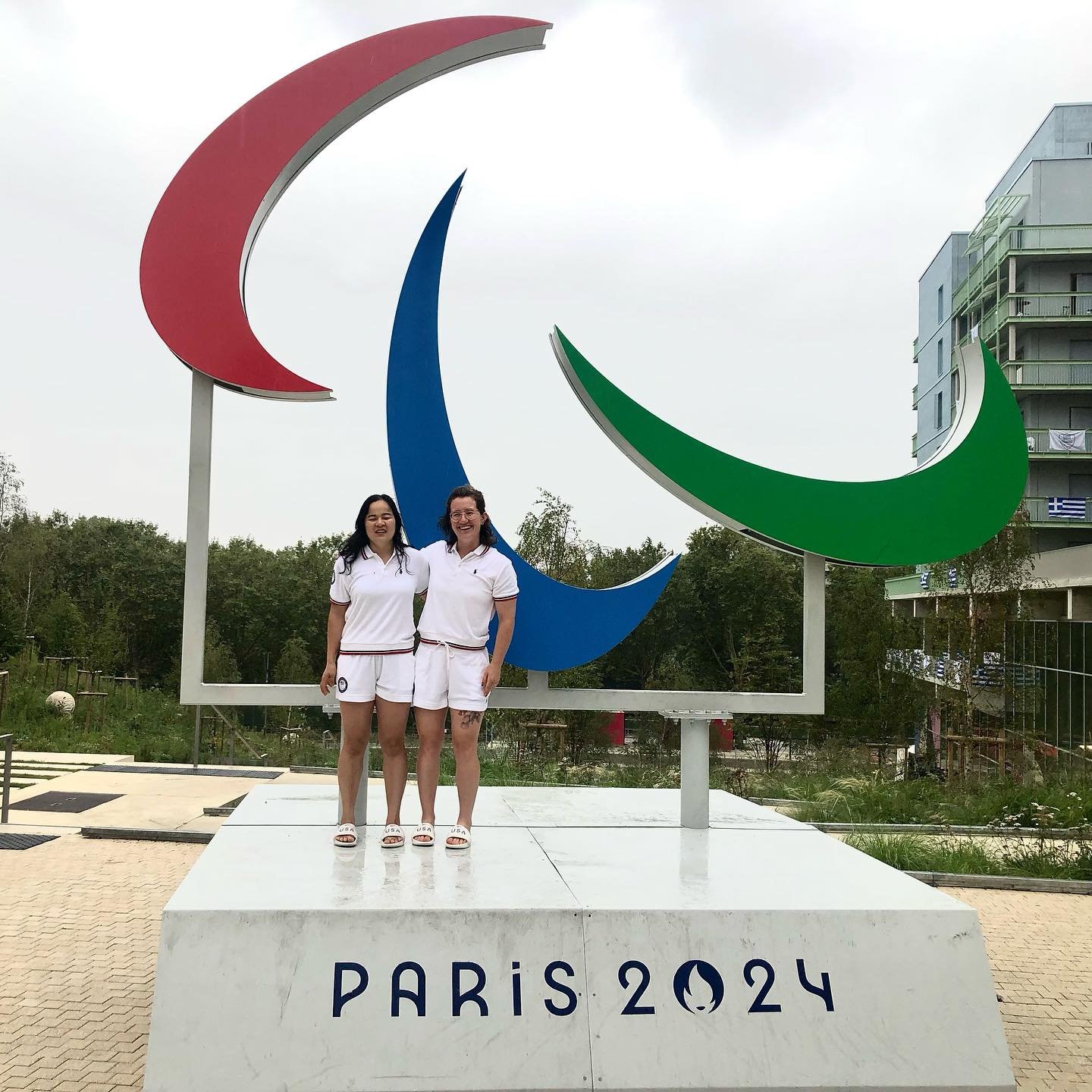 Source: Skyler Espinoza
My body (and mind) went absolutely haywire.
My periods were incredibly irregular (very normal after having an IUD for a long period of time), and I think I took about 8 pregnancy tests in 3 months. I was convinced that I was pregnant despite the fact that my husband and I were having protected sex, and I actually wasn’t even with my husband half of the time because I was preparing for, and then taking part in, the Games. Despite knowing better, I would spiral about how I would get access to early prenatal care if I was pregnant, what color I should paint the nursery, where my child would go to college… extremely temporally relevant things like that. My body and mind were reacting to both the stress leading up to Paris, and the fact that I’d chosen to mess with my hormones in perhaps the most significant way possible at the worst possible moment. I think it was my first sign that no matter how well you think you plan these things, this is a process that is largely out of your control. (Processes out of your control can be difficult pills to swallow as athletes, but more on that later.)
For all of us, athletes or no, I think the idea of pregnancy and the sudden possibility of it are worlds apart. As soon as I thought I might be pregnant, the idea took on a life of its own.
I desperately wanted to be pregnant. I think, at the time, being pregnant represented my life after sports. Like I said, the last push of my athletic career was incredibly difficult, and I felt emotionally ready to move on. I wanted the next part of my life to start as soon as possible. Furthermore, the idea of being able to say, “I’m pregnant!” as a response to “why aren’t you competing anymore?” felt incredibly reassuring. It wasn’t that I’d given up, it was that I’d chosen to have a baby, one of the most untouchable reasons for really any type of behavior. My pregnancy could serve as my justification, both to others and myself, of why I was stepping away from sports. Being pregnant immediately would help bridge the gap between my life in sports and my life after in a neatly tied up fashion.
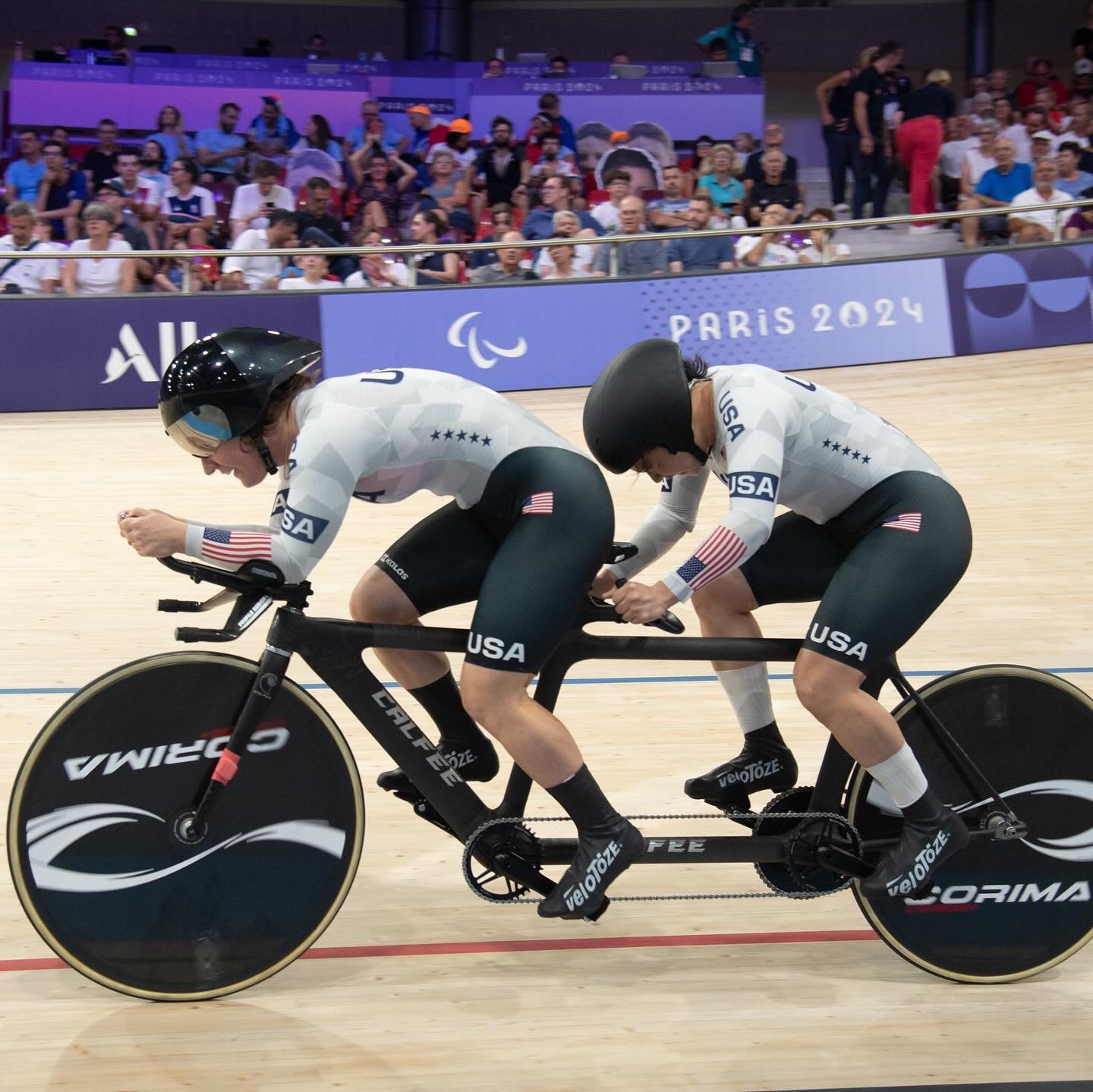 Source: Skyler Espinoza
I also desperately wanted not to be pregnant. I wanted to focus on the Games ahead, and think about a potential baby with my husband afterwards, away from all of the noise. I also had (and still have) athletic goals left on the table. I didn’t feel like I’d reached my ceiling, or the end of my rope. Lastly, and this one probably packed the heaviest punch, putting aside a career that I’d worked incredibly hard for to have a child felt regressive. Choosing pregnancy and eventual parenthood instead of continuing my career in sports felt like letting the women and girls who look up to me down. Of course I know that true female empowerment means having the choice to choose anything, but it felt difficult to see how women’s sports media celebrates the strength of women who continue to compete while pregnant and after giving birth, and feel that that wasn’t the right choice for me. I wanted not to be pregnant because I wanted to continue my career, on my terms, with all of the bodily freedom possible.
Ultimately, Abby Wambach’s commencement speech at Barnard College is part of what allowed me the freedom to make my own choice. In 2018, Abby spoke about her experience of leading from the bench when she was taken out of the starting lineup during her last World Cup. She talks about how we, as women, might one day find ourselves “holding babies instead of briefcases,” watching our peers leave us behind. I definitely felt that. That by holding a baby, I would be held up. But Abby said, “...the fiercest leading I’ve ever seen has been done between mother and child. Parenting is no bench. It just might be the big game.” I’d heard those words seven years earlier, and they still felt fresh in my mind as I navigated this change in my identity. It’s such a strong testament to the power of representation, and the salience of female athletes’ voices. Will I ever be anything like Abby Wambach? Of course not. But having her validate parenthood as “the big game” allowed me the space to consider it as not a step backwards, but a step in a different direction.
So. I decided to take a big step away from sports after the Games, and try to get pregnant. (I was, you will be shocked to learn, not pregnant after months of protected sex.) I think my biggest takeaway or piece of advice from this stage is that no one but athletes can possibly know how hard it is to be an athlete. Furthermore, pregnancy and parenthood are choices that are extremely personal, and not a test of your ability to “girlboss” or “get ahead.” Whether you decide to leave sports or stay, to leave forever or just for a little while, whatever choice is best for you is the best choice. This sounds cliche, I know. But it felt easy, for me, to get sucked towards a choice that would have been right for some, but wrong for me. Pregnancy (and parenthood) is a bitch of a logistical, practical, financial, emotional, temporal, seasonal, life-altering choice. Making that choice shouldn’t be like any other choice you make as an athlete: this one’s not about the team. This time, it’s all about you.
This blog is part of An Athlete’s Pregnancy, a personal multi-part series chronicling one athlete’s experience navigating pregnancy after an elite sports career. Access part 2 here.
About Parity, a Group 1001 Company
Parity is the leading platform for professional women athlete partnerships. With a mission to close the gender income gap in sports and beyond, Parity connects brands with a diverse network of more than 1,400 women's sports athletes across 85+ sports, including 300+ Olympian and Paralympians. Through sponsorship activations, content collaborations, and strategic advisory, Parity helps brands authentically engage the most trusted voices in sports today. For more information, visit www.paritynow.co, or follow us on Instagram and LinkedIn.
.webp?width=600&name=USATSI_28449504%20(1).webp)
.webp?width=600&name=USATSI_17995740%20(1).webp)